
The Humane TNR Trapping Guide (Revised)
Introduction to Trap-Neuter-Return (TNR)
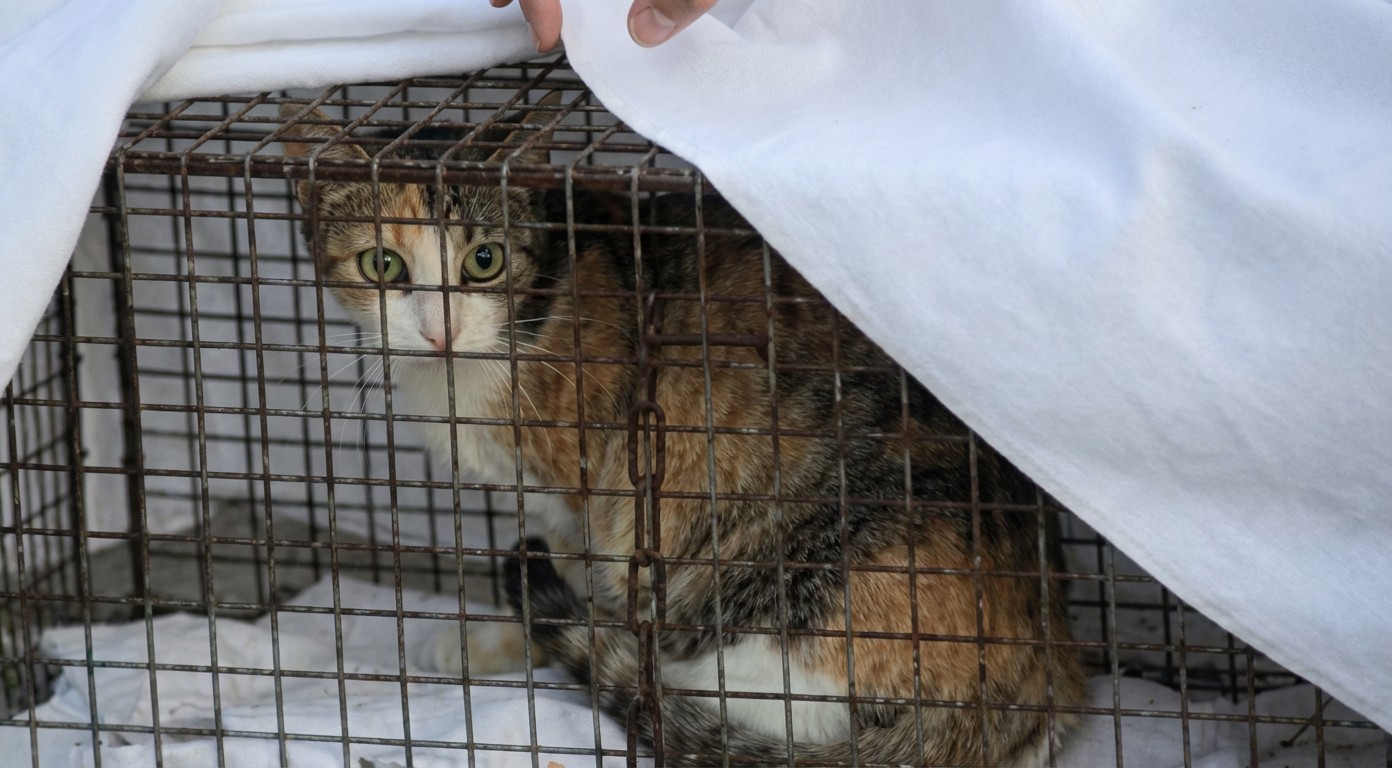
Trap-Neuter-Return (TNR) is the only humane and effective method for managing and reducing community cat populations. It involves humanely trapping feral (wild) and stray cats, sterilizing them, vaccinating them, and then returning them to their outdoor home.
Important Note on Marking: All cats must be permanently marked. This guide acknowledges that while the eartip is the universal standard, some organizations may use a surgical tattoo for identification.
This guide provides a step-by-step process to ensure a safe and successful trapping day for both the cats and the caregivers, adhering to No Kill principles.
1. Preparation: The Week Before
Successful trapping relies heavily on meticulous planning.
A. Coordinate with a Clinic
Book Appointments: Contact a local low-cost sterilization clinic. Book your appointment(s) before you trap. Confirm the clinic's exact policies and drop-off times.
Confirm Requirements: Ask about the cost, what is included (sterilization, rabies vaccine, pain meds), and specifically confirm their protocol for pregnant cats to align with your organization's No Kill policy regarding viable kittens.
Identify Marking Method: Confirm whether the clinic will provide an eartip or a surgical tattoo for permanent identification.
B. Gather Supplies
Assemble all the necessary equipment in advance: Item: Humane Live Trap (one per cat) | Purpose: For safe and stress-free capture and transport. Item: Trap Dividers/Transfer Cages | Purpose: For cleaning the trap and safe handling. Item: Trap Covers (towels/sheets) | Purpose: To reduce the cat's stress once trapped. Item: Bait (smelly, high-value food) | Purpose: Canned sardines, tuna, or wet cat food. Item: Water and Food Dishes | Purpose: For pre- and post-surgery care. Item: Newspapers/Cardboard | Purpose: To line the bottom of the trap. Item: Log/Record Sheet | Purpose: To track the details of each cat (e.g., location, sex, time trapped).
C. Condition the Cats (Pre-Baiting)
Stop All Feeding: 24–36 hours before your scheduled trapping day, stop feeding the colony entirely. This ensures the cats are hungry enough to enter the trap on trapping day.
Practice Feedings: For 3–5 days prior to stopping, place the food only in and around the unset traps at the usual feeding time. This gets the cats used to seeing and entering the trap area.
2. Trapping Day: The Process
A. Set the Stage
Timing: Trapping is often most successful in the late afternoon/evening or early morning.
Location: Place the traps on a flat, stable surface where the cats usually feed.
Prepare the Trap: Line the trap bottom with a thin layer of newspaper or cardboard. Gently set the trap mechanism and make sure it is working correctly.
B. Apply the Bait
Create a Food Trail: Place a small line of smelly bait (like tuna water) leading into the trap.
Placement: Place a tablespoon of high-value bait on a small paper plate or wax paper at the very back of the trap, past the trigger plate.
Concealment (Optional): Lightly cover the trap sides with a sheet or natural foliage, ensuring the trap entrance and trigger mechanism remain clear.
C. Monitor and Cover
Watch from a Distance: Never leave set traps unattended. Monitor from a hidden location (like a car or window) where you can see the traps without scaring the cats away.
Immediately Cover: The moment a cat is trapped, immediately cover the entire trap with a towel or sheet. This helps calm the cat and prevents injury from struggling.
D. Secure the Trapped Cat
Do Not Handle: Never stick your fingers into a feral cat's trap.
Transport to Staging Area: Once covered, carefully move the trap to a safe, temperature-controlled, secure location (like a garage or bathroom) where the cat will stay overnight before their surgery. Keep the trap covered and label it with the cat’s details (sex, location, time trapped).
3. Post-Trapping, Identification, and No Kill Protocol
A. Transport and Identification
✅ Safe Transport: Transport the cat(s) to the clinic in the covered traps. Secure the traps so they don't slide in the vehicle.
✅ Permanent Marking: Every cat trapped through a TNR program must receive a permanent marker while under anesthesia. This is typically done with:
Eartipping: A small, straight-edge removal of the tip of the left ear. Tattoo: A small surgical tattoo applied near the incision site (confirm placement with the clinic).
B. Viable Kitten Protocol (No Kill Principle)
✅ Pregnant Cats: If a cat is determined by the veterinary staff to be pregnant with viable kittens, the kittens must be saved and safely birthed.
Action: The cat should be recovered, sheltered, and monitored. Once the kittens are born and stabilized, the mother cat will be sterilized (post-weaning), and both the mother and the kittens will be entered into a socialization and adoption program. This overrides the immediate return to the colony.
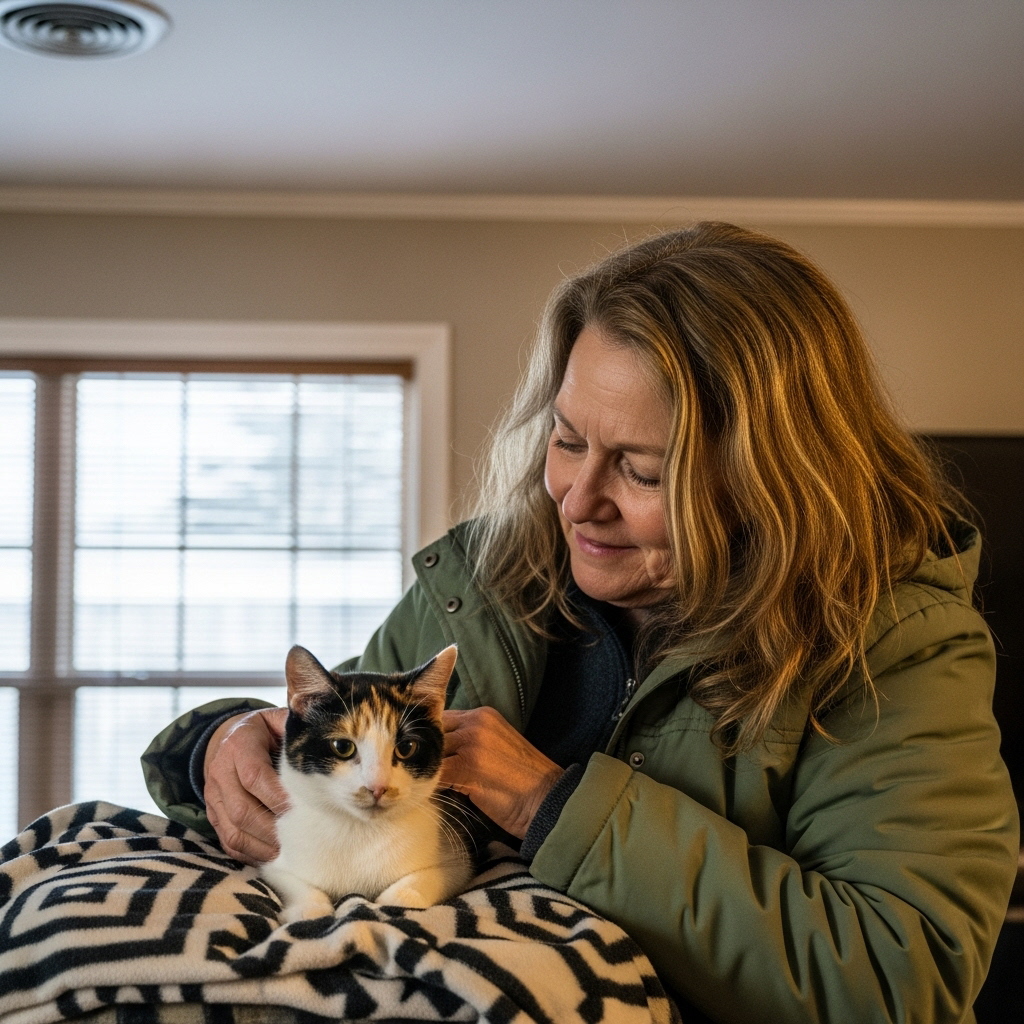 (This former mother, and formerly feral cat has been ADOPTED. So have all her kittens.)
C. Recovery and Return
✅ Post-Surgery Care: Except for pregnant cats (see B), the cat must remain in the covered trap overnight (24-48 hours, as instructed by the clinic) in a quiet, temperature-controlled, and secure area.
✅ Offer Food and Water: Once fully awake and lucid, you can slide a small, low dish of water and a teaspoon of food into the trap via the side-access door or a trap divider.
✅ Return to Colony: Release the cat in the exact location where they were sterilized, provided they are fully recovered and the release time is safe (usually morning, avoiding heavy traffic or extreme weather). This prevents new cats from moving into the territory (the "vacuum effect").
4. Safety and Best Practices
✅ DOs
Always use a humane trap.
Ensure the trap is level and stable before setting.
Cover the trap immediately upon capture.
Confirm the cat has an eartip or tattoo before release.
Line the trap to protect the cat's feet.
❌ DO NOTs
Never bring a feral cat to a clinic in a carrier.
Do not leave traps unattended or set traps out during heavy rain/extreme temperatures.
Do not attempt to pet, handle, or remove a cat from the trap.
Never relocate a cat. Return them to their original territory.
Do not feed the colony for 24-36 hours prior to trapping.
.jpg)